Professional Dunellen General Contractor with Skilled Craftsmanship
Professional Dunellen General Contractor with Skilled Craftsmanship
Blog Article
Why Selecting the Right General Contractor Is Essential for Your Project
Determining the right general contractor is a essential decision that can greatly influence a project's completion. A competent contractor assures efficient management and observance to budgets. Their ability to work through setbacks and copyright lucid correspondence is essential. However, many project participants overlook critical considerations in this selection process. Recognizing these elements can point to enhanced outcomes and increased gratification. What should one assess when making this important choice?
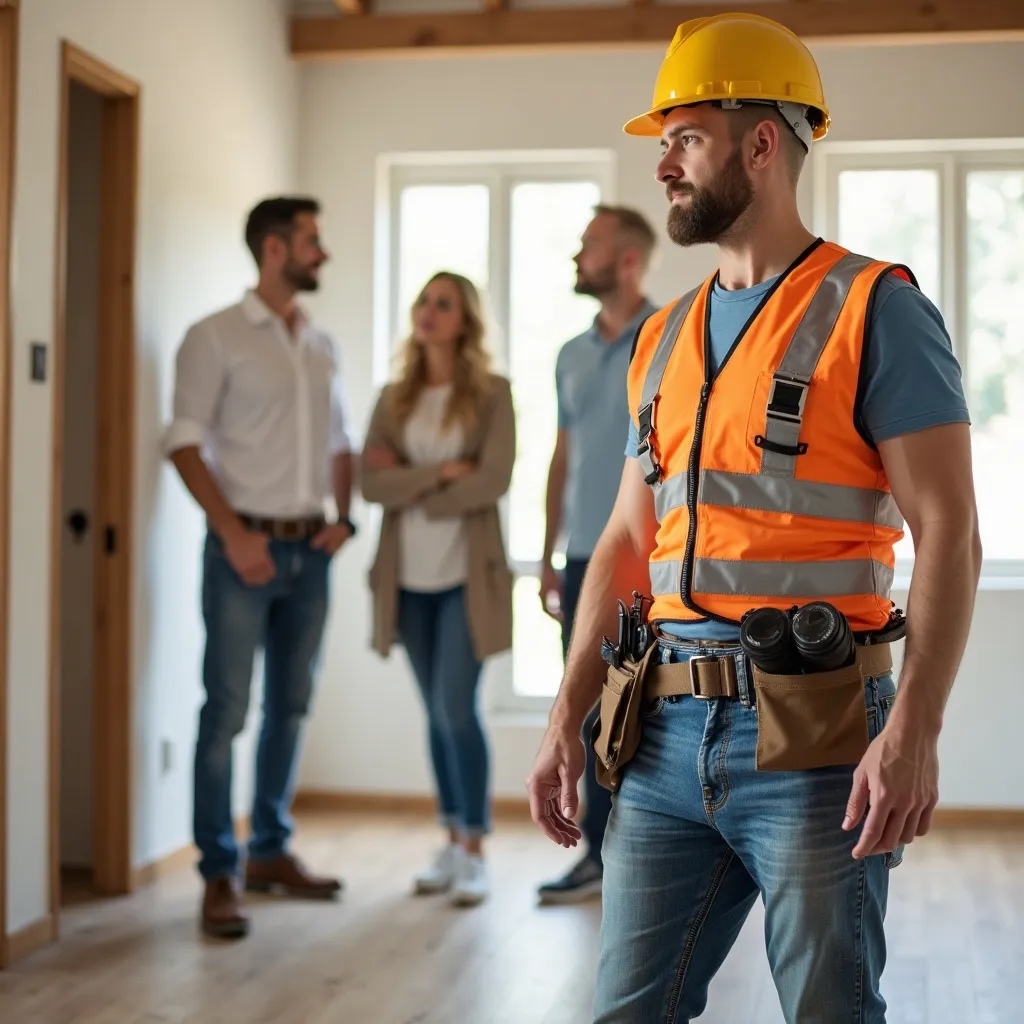
Typical Struggles in Picking a General Project Lead
When selecting a construction contractor, prospective customers often face numerous typical challenges that can hinder the selection process. One significant hurdle is the overwhelming number of options available, which can lead to uncertainty and hesitation. Customers may struggle to distinguish among contractors based on qualifications, experience, and pricing, rendering it challenging to determine who will best meet their construction requirements.
An additional challenge is the lack of transparency in contractor submissions, where concealed expenditures may surface, impacting the project expenditure. Additionally, clients may struggle with communication-related issues; some contractors may be remiss to keep clients informed across the engagement, inducing discontent. Finally, clients often grapple with authenticating a contractor's references and earlier work, which can bring about indecision about the quality of service anticipated. These hindrances necessitate intentional analysis and research to make certain the right choice is made.
The Value of a Trusted Project Manager
A reliable general contractor serves an essential role in ensuring efficient project management and maintaining quality assurance standards. Their knowledge helps streamline processes, reducing delays and costs. Additionally, a dependable contractor upholds high standards, resulting in superior craftsmanship and client contentment.
Improve Project Administration Performance
Effective project management rests on the reliability of a general contractor. A trustworthy contractor ensures that deadlines are met, resources are allocated properly, and communication operates smoothly among all stakeholders. Their competence in managing subcontractors, suppliers, and laborers has a direct effect on the overall advancement and success of the project. A reliable contractor foresees challenges, applies solutions quickly, and remains focused on project goals, minimizing holdups and budget overruns. This effectiveness encourages a collaborative environment, allowing for adjustments and improvements where necessary. Ultimately, the general contractor's trustworthiness strengthens the functional side of the project and builds trust with clients and team members, ensuring everyone works together towards a positive result.
Premium Assurance Standards
Dependable general contractors serve a pivotal role in upholding quality assurance standards during the entire project. They make sure that every task meets established guidelines and industry protocols, which is crucial to the durability and safety of the structure. A competent contractor exercises strict oversight over materials and workmanship, performing regular inspections to find and resolve problems quickly. This proactive approach reduces risks linked to inferior construction, in turn protecting the investment. Furthermore, a reliable contractor facilitates communication among all stakeholders, ensuring clear and fulfilled expectations. By focusing on quality assurance, a skilled general contractor not only improves the end product but also builds trust with clients, laying the groundwork for successful project results.
Assessing a Builder's Experience and Standing
When picking a general construction firm, understanding their experience and reputation is important, as these factors heavily influence project outcomes. A contractor's experience typically indicates their competence to handle various kinds of projects, complexities, and difficulties. Reviewing their work samples provides insight into previous work, displaying quality workmanship and careful attention to specifics.
Additionally, credibility plays a vital factor in creating trust. Prospective clients ought to review online reviews, testimonials, and references to evaluate satisfaction levels from previous clients. Interacting with past customers can show the contractor's reliability, communication skills, and adherence to timelines and budgets.
Moreover, industry affiliations and certifications can enhance a contractor's authenticity, indicating a commitment to quality and ethical practices. By thoroughly evaluating both experience and prestige, clients can make informed decisions, ultimately setting the stage for a outstanding construction project.
Key Attributes of a Reputable Contractor
A reliable contractor consistently demonstrates honesty, transparency, and strong communication skills. These vital traits form the basis of a successful working relationship. Integrity guarantees the contractor adheres to ethical practices, offering truthful assessments and practical timelines. Transparency entails fully disclosing assignment information, encompassing costs and potential challenges, fostering confidence between the contractor and the client.
Strong interpersonal abilities allow the contractor to convey ideas effectively, understand client preferences, and resolve any issues that arise during the project. Furthermore, a reliable contractor showcases adaptability, responding to changes and unexpected circumstances with composure and resilience. Attention to detail is another essential trait; it shows a commitment to excellence and accuracy in every aspect of the work. All things considered, these traits not only improve project outcomes but also contribute to a positive experience for clients, making the hiring of a trustworthy contractor all the more critical.
Critical Questions to Ask When Working With Your General Contractor?
How can one guarantee they select the right general contractor for their project? By posing a series of specific questions, potential clients can more effectively evaluate candidates. Initially, inquiring about the contractor's experience with comparable work offers insight into their expertise. It's also vital to request for references; speaking with previous clients can reveal the contractor's reliability and quality of work.
Next, discussing licensing and insurance confirms that the contractor satisfies legal obligations and protects the client from possible liabilities. Clients should also inquire about timelines and project management approaches to assess how the contractor intends to manage the project effectively.
Budget discussions are essential; asking for a detailed estimate helps avoid surprise expenses later. Finally, comprehending the contractor's preferred communication style can set the groundwork for a productive working relationship. By tackling these key questions, clients can choose wisely in selecting their general contractor.
The Significance of Interaction With Your Contractor
Effective communication with a contractor is crucial for work achievement. Establishing clear expectations and delivering prompt information can avoid confusion that often lead to expensive setbacks. Additionally, fostering an transparent discussion cultivates trust, ensuring a more efficient collaboration throughout the building process.
Explicit Parameters Guarantee Success
Establishing well-defined expectations is crucial for a successful partnership with a general contractor. Effective communication forms the basis of understanding project goals, timelines, and budget constraints. When both parties communicate their needs and concerns, it lowers the risk of misunderstandings that can disrupt progress. A contractor who is aware of the specific requirements can distribute resources wisely and address potential challenges proactively. In addition, transparency fosters accountability, making certain that the contractor delivers on promises and that the homeowner feels involved in the process. By prioritizing open dialogue from the outset, clients can enhance collaboration and satisfaction, ultimately leading to a more seamless project execution. Clear expectations not only optimize workflows but also build trust between the homeowner and the contractor.
Timely Information Avoid Misunderstandings
Defining distinct requirements establishes the groundwork for cooperative achievement, though steady dialogue is equally vital. Frequent updates from a general contractor can prevent miscommunication that may arise during a project. As builders frequently share progress reports, clients keep abreast about project schedules, financial adjustments, and anticipated roadblocks. This proactive communication aids in align each party's goals and reduces the possibility of disputes in the future. Furthermore, if issues arise, immediate communication facilitates faster resolutions, maintaining the work on schedule. By fostering a climate of transparent exchange, contractors express get details on this their dedication toward the project's success, finally leading to a smoother operation and superior client contentment. Consequently, prompt updates function as a cornerstone for maintaining transparency and trust within the construction endeavor.
Transparent Discussion Fosters Trust
During a undertaking's progression, maintaining an open dialogue with the general contractor becomes important for promoting reliance and collaboration. Effective communication promises that all stakeholders have a precise understanding of standards, timelines, and potential issues. When project managers and clients engage in consistent dialogues, it allows for the identification of issues before they escalate, minimizing disruptions. This transparency not only fosters confidence but also enhances the overall construction experience. In addition, an accessible communication channel encourages commentary, allowing the construction expert to make adjustments that satisfy the client's desires. Ultimately, powerful dialogue forms a foundation of reciprocal appreciation, which is essential for the successful completion of any construction job. Confidence cultivated through dialogue leads to better outcomes for everyone taking part.
Frequently Asked Questions
What methods can I employ to assess if a Contractor has been certified?
To establish if a contractor is licensed, one should inspect local licensing boards or websites, validate their license number, and confirm it's active. Additionally, reviewing internet feedback can supply knowledge about their credibility and reliability.
What Insurance Does My Service Provider Require?
A contractor should carry general liability insurance, worker protection insurance, and, if applicable, negligence liability protection. These mitigate probable injury, workplace injuries, and quality failures, safeguarding asset protection for both the professional and the client.
What's the Best Way to Examine a Contractor's Track Record?
To validate a contractor's references, one should request a list of previous clients, contact them personally, and inquire about their impressions. Additionally, reviewing online reviews and ratings can furnish valuable insights into the contractor's credibility.
What Can I Do if Problems Arise During the Undertaking?
If issues arise during the project, one should document the concerns, communicate directly with the contractor, and achieve a resolution. If required, engaging a mediator or consulting a legal professional may also be warranted.
Do You Need to Spot Red Flags Throughout the Employment Selection Process?
Warning signs in the recruitment phase consist of unclear pricing, missing credentials, inadequate responsiveness, incomplete licenses, and negative online reviews. These indicators point to potential issues that could impact the quality and schedule of the project.
Report this page